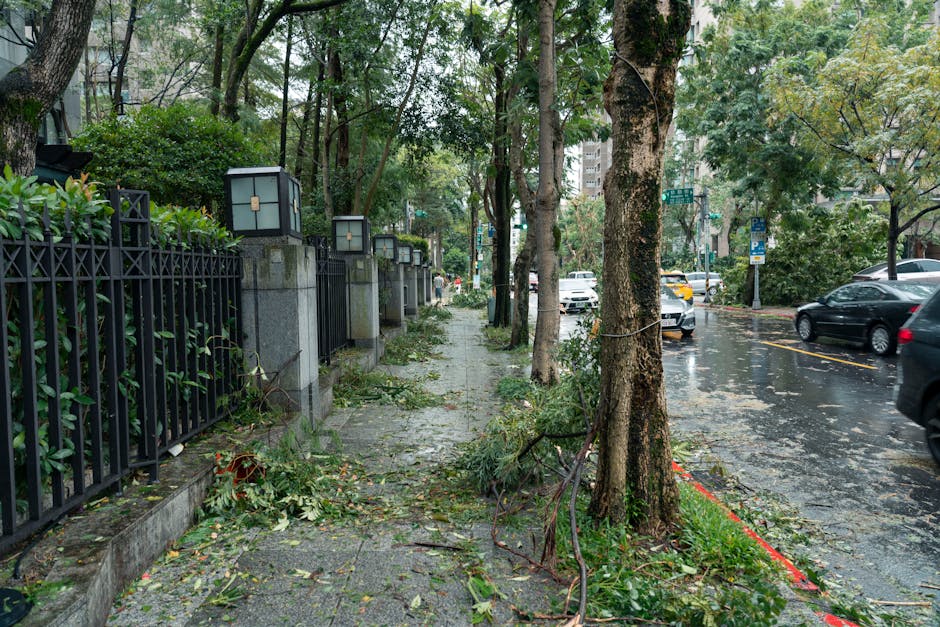
Same day gardening in Barking for urgent storm debris clearance
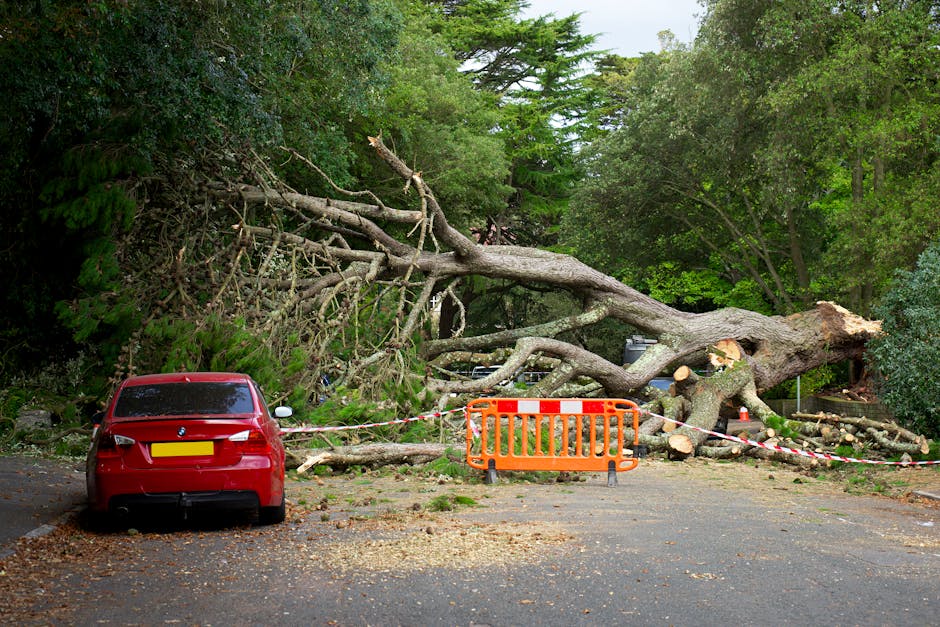
When a storm rolls through Barking, the garden can look fine one minute and completely battered the next. Branches across the lawn, snapped hedge growth, pots scattered, mud on the path, and that uneasy feeling that something heavy might still come down. If you need same day gardening in Barking for urgent storm debris clearance, you usually do not want a long explanation. You want the mess made safe, cleared quickly, and your outdoor space back under control before it turns into a bigger problem.
This guide explains how emergency garden clearance works, what a same-day response can realistically cover, what to check before booking, and which services are most useful when storm debris is more than just an eyesore. It is written for homeowners, landlords, tenants, and anyone staring out at a damaged garden thinking, right then, where do I even start?
Expert summary: The smartest approach after storm damage is usually to make the area safe first, remove loose debris next, then deal with pruning, clearance, and any follow-up maintenance once the immediate risk is gone. Quick action saves time, reduces the chance of further damage, and makes the rest of the job far less stressful.
Why Same day gardening in Barking for urgent storm debris clearance Matters
Storm debris is not just untidy. In a live, working garden, it can be awkward, slippery, sharp, and in some cases genuinely hazardous. A fallen branch can block access to bins, sheds, gates, or side paths. Wet leaves can become slick underfoot. Broken trellis, loosened fencing, and damaged shrubs can catch the wind again and make things worse if left hanging about. In the real world, this is exactly the kind of thing that starts small and then snowballs.
Same-day help matters because storm damage often creates a timing problem. The sooner you clear loose material, the less likely it is that a second gust, an overnight freeze, or heavy rain will worsen the mess. You also reduce the chance of someone tripping over debris in the dark. That part gets overlooked a lot. To be fair, most people do not think about the garden path until they almost twist an ankle on it.
For Barking properties, urgency can also be practical. Many gardens here are compact, shared, or bordered closely by fences and outbuildings. If wind-blown debris lands in the wrong place, it can affect neighbours too. So the quicker the clearance, the easier it is to stay on top of the knock-on effects.
It is also worth saying this plainly: not every storm-damaged garden needs a major landscaping project. Sometimes what you need is simple, skilled cleanup and a bit of triage. Remove the debris, check what is still stable, and only then decide whether extra work is needed. That calmer order of events saves money and, more importantly, saves stress.
How Same day gardening in Barking for urgent storm debris clearance Works
A proper same-day gardening response should be structured, not improvised chaos. The first step is usually an initial description of the damage so the team can understand what they are walking into. Is it mostly fallen leaves and twigs, or are there large branches, toppled planters, or a damaged tree limb resting across a fence? Those details shape the time, equipment, and number of people needed.
Once the job is assessed, the aim is to prioritise safety. That means looking for unstable branches, slippery surfaces, broken glass if anything has shattered, and obstacles near access routes. From there, the work usually moves into staged clearance: hand-picking loose debris, cutting back snapped material, loading waste, and tidying the area so it is usable again.
If the storm has affected trees or tall growth, some jobs may need extra care. That is where a service with experience in tree lopping and removal can be useful, because hanging limbs and partially split branches are not the same as general green waste. Likewise, if hedges have been flattened or ripped, the job may involve more than sweeping and bagging; it may need structured cutting back, which is where hedge trimming becomes relevant after the immediate clear-up.
If the storm has left the whole garden overrun with debris, the work can overlap with garden clearance. That is often a helpful next step when the issue is bigger than a single branch or one corner of the yard. A good team will usually tell you honestly whether you need emergency clearance only or a fuller tidy-up afterwards. That honesty matters, because nobody wants to pay for overkill when a focused visit would do the job.
Key Benefits and Practical Advantages
The biggest benefit is simple: you get your garden back quickly. But there is more to it than speed. A same-day response can stop a stressful situation from becoming a safety issue, especially if you have children, pets, older family members, or tenants moving through the space.
Here are the practical advantages people usually notice first:
- Reduced risk of trips and falls from broken branches, slippery leaves, and hidden debris.
- Faster access to gates, sheds, bins, side paths, and garden rooms.
- Less secondary damage because unstable debris is removed before the next bit of weather arrives.
- Cleaner handover if you are renting, selling, or preparing for visitors.
- Better judgement on follow-up work because the site is clear enough to inspect properly.
There is also a less obvious benefit: emotional relief. Storm damage can leave you feeling behind, even if the rest of life is already busy. A tidy, cleared garden has a way of lowering the noise in your head a bit. Sounds dramatic, maybe, but people notice it.
On a practical level, same-day gardening can also help protect surfaces and garden features. Wet branches left on decking, patios, or fences can stain or scuff finishes. If the storm has affected timber areas, you may later want to explore decking services or longer-term repairs, but only after the immediate debris is removed and the area is safe.
And because storm damage often reveals neglected patches as well, the clean-up visit can be a useful reset point. Once the urgent work is done, a follow-up plan with garden maintenance can keep things from sliding back into the same state the moment the wind picks up again.
Who This Is For and When It Makes Sense
This service is for anyone who needs the garden made safe and usable quickly after bad weather. That includes homeowners, landlords, letting agents, property managers, and tenants who are responsible for the outdoor area. It also makes sense if your garden backs onto a shared access route or if debris is affecting neighbouring boundaries.
It is especially useful when:
- a tree branch has come down across a path or fence;
- hedges or shrubs have been shredded by wind;
- pots, soil, and lightweight items have been scattered across the garden;
- leaves and twigs are blocking drainage points or paving;
- you need the outdoor space ready for a viewing, inspection, or family event;
- you are worried about a partially damaged tree or unstable overhanging growth.
Sometimes the decision is obvious. You open the back door and think, no chance, that has to be dealt with today. Other times it is a judgement call. If the debris is mostly light, dry, and easy to collect, you may not need a large team. But if there is anything heavy, sharp, or hanging overhead, it is wiser to get it assessed properly instead of trying to be a hero with a rake and a pair of gloves. Not everything needs drama. Some things do need a ladder, a saw, and a second pair of hands though.
For gardens with larger overgrowth or repeated storm damage, same-day clearance can be the first stage in a wider landscape plan. In those cases, the team may point you towards landscape gardening or landscaping if the garden layout itself is making storm damage more likely or more difficult to manage. That is not always necessary, but it can be the sensible next conversation.
Step-by-Step Guidance
If you want the clean-up to run smoothly, it helps to think in stages. You do not need to solve the whole garden in one go. Start with the urgent bit. That alone makes the situation much easier.
- Check for immediate danger. Stay clear of large hanging branches, leaning trees, damaged fences, and anything touching power lines. If something looks unstable, do not poke it or pull it free.
- Take quick photos. This helps if you need to explain the damage clearly or compare the before-and-after state. Handy for records too.
- Separate light debris from heavy debris. Leaves, twigs, and loose plant matter can usually be cleared quickly. Branches, broken panels, and damaged tree limbs need more care.
- Make access easy. Open gates, move parked bikes, and clear a path to the affected area so the team can work without fuss.
- Point out hidden issues. Tell the gardener about unstable edges, loose paving, damaged steps, or drainage problems. Storms have a habit of exposing everything at once.
- Let the priority be safety first, tidiness second. A garden can be made neat later. An unsafe branch cannot.
- Ask what should happen next. Once the urgent clearance is done, you can decide whether pruning, maintenance, or a fuller tidy-up is worth booking.
A good same-day visit should leave the garden clear enough to walk through without sidestepping piles of debris. You should be able to see the ground again. That is the real marker, truth be told.
If the storm has also affected fences or timber structures, it may be sensible to review the condition of any adjoining garden features. A visit to the clear-up phase can reveal whether the issue stays with plant debris or has moved into structural repair territory. You do not have to decide everything immediately, but you do want the facts in front of you.
Expert Tips for Better Results
Over the years, one thing becomes obvious fast: the best storm clear-ups are the ones where the client gives a few useful details upfront. Not a speech. Just the right bits of information.
- Describe the biggest item first. A single large branch changes the job more than twenty bags of leaves do.
- Say whether access is tight. Narrow side return? Steep steps? Locked gate? It all matters when time is short.
- Mention pets or children. This helps the team plan safe working boundaries.
- Be clear about what you want kept. Sometimes storm debris includes plants or pots that can be recovered rather than removed.
- Ask for the garden to be left usable, not just emptied. That small distinction makes a big difference.
A useful bit of judgement: if the garden is still shedding debris after the main clear-up, book or ask for a maintenance plan rather than treating it as a one-off. The more exposed the space, the quicker leaves and twigs return. It happens. Always does after a windy spell.
Another good habit is to keep a small storm kit somewhere accessible: gloves, bin bags, garden shears, and a torch. You might not need them during the emergency visit, but they make a difference if you need to quickly gather loose material before the garden team arrives. Nothing fancy. Just practical stuff that saves ten minutes here and there.
If your space has a lawn that is flattened or cluttered with wet debris, a follow-up tidy may include lawn mowing once the area is dry enough and safe to work on. Cutting too early through soggy mess can be a waste of time, so timing matters there.
Common Mistakes to Avoid
Storm clean-ups go wrong in predictable ways. The good news is that most of them are avoidable.
- Starting with the biggest branch instead of the safest path. Move from clear access points inward.
- Pulling on damaged limbs. A branch under tension can shift suddenly. That is where people get hurt.
- Ignoring hidden damage. Bent trellis, cracked posts, and loose boards can be just as important as the obvious mess.
- Using the wrong tools. A blunt rake and optimism will only get you so far.
- Trying to do everything in one pass. Better to clear safely, then tidy properly.
- Assuming all green waste is the same. Heavy limbs, thorny cuttings, and mixed debris can need different handling.
Another common mistake is calling the job finished as soon as the visible clutter is gone. Then you notice the fence has shifted, or a hedge has split, or the path is still full of grit. That is why a proper clear-up should include a close look at edges, corners, and borders. Storms love hiding things in the corners. Bit annoying, really.
And do not forget to check drainage. Leaves and small twigs can block gullies and soakaways, which leads to puddling that hangs around long after the storm itself has passed. If your garden sits low or collects water easily, this is worth checking before the area gets used again.
Tools, Resources and Recommendations
You do not need a shed full of equipment to understand what a good service should bring. But it helps to know the basics, because it makes it easier to judge whether a team is prepared for the job.
| Tool or resource | Why it matters | Typical use after storm damage |
|---|---|---|
| Heavy-duty gloves | Protect hands from splinters, thorns, and rough debris | Collecting branches, broken stems, and sharp plant material |
| Hand saws and secateurs | Allow precise cutting on damaged growth | Trimming snapped stems and smaller branches |
| Rakes and brooms | Useful for lighter debris and final tidying | Leaves, twigs, grit, and loose soil |
| Wheeled bins or sacks | Helps move waste efficiently | Gathering debris for removal |
| Tarps or sheets | Makes load handling tidier and quicker | Collecting loose material without scattering it again |
| Basic inspection checklist | Prevents missed damage | Checking fences, trees, gates, and paths after clearance |
As a practical recommendation, it is worth pairing urgent clear-up work with a longer-term maintenance review. A one-off visit clears the emergency. A maintenance plan helps prevent a repeat. If your garden is regularly exposed to wind, uneven growth, or fast lawn build-up, a steady routine from garden maintenance can keep everything easier to manage through winter and into spring.
If your priority is waste handling and tidiness, ask how the cleared material will be dealt with. Some people care mainly about speed; others want a strong recycling approach. If sustainability matters to you, it is reasonable to ask about the provider's approach to green waste and whether they follow the principles outlined in their recycling and sustainability information.
Law, Compliance, Standards and Best Practice
Storm debris clearance in a private garden is usually straightforward, but there are still sensible standards to follow. The biggest one is duty of care: work should be carried out safely, with care for people, property, and the surrounding space. That is especially true where branches are unstable, tools are sharp, or the garden is shared.
For tree-related storm damage, extra caution is sensible. Partially fallen trees, split trunks, and hanging limbs can be unpredictable. In those cases, it is normal practice to treat the job as a safety task first and a tidy-up second. That approach is simply better practice.
Waste handling also matters. Garden waste should be separated thoughtfully where possible, and mixed rubbish should not be left dumped at the side of the property. A responsible service should be transparent about disposal, access, and what happens if debris includes non-green material. You are entitled to ask. In fact, you probably should.
It is also reasonable to check whether a provider has clear policies around safety and insurance. For example, if you are comparing options, look for straightforward information on health and safety policy and insurance and safety. Those pages do not replace a conversation, but they do tell you whether the business takes the basics seriously.
Another useful best practice is communication. A professional team should explain any limitations honestly. If something is beyond same-day clearing, say so. If access is unsafe, they should say that too. Clear boundaries are a good sign, not a bad one. Saves everyone a headache.
Options, Methods, or Comparison Table
Not every storm-damaged garden needs the same response. Sometimes a quick tidy is enough. Sometimes you need a more complete clearance. This comparison helps show the difference.
| Option | Best for | Typical outcome | When to choose it |
|---|---|---|---|
| Light same-day tidy | Leaves, twigs, small blown debris | Paths, lawns, and borders made neat quickly | When the garden is messy but not structurally damaged |
| Urgent storm debris clearance | Branches, broken plants, blocked access, heavy clutter | Safety risks removed and usable space restored | When debris is creating immediate problems |
| Full garden clearance | Overgrown or heavily affected gardens | Deep reset, waste removal, and cleaner space overall | When the issue is broader than storm damage alone |
| Clearance plus maintenance | Repeat storm exposure, regular garden build-up | Cleaner garden for longer, fewer emergency callouts | When you want the garden to stay manageable |
In practical terms, the right choice comes down to three questions: Is anyone at risk? Can people still use the garden safely? And is there debris that will worsen if left overnight? If the answer to any of those is yes, same-day help becomes a very sensible decision.
Case Study or Real-World Example
A typical Barking scenario might look like this. A late-evening storm pushes through, and by the next morning the side return is blocked by broken branches and soaked leaves. The back gate will barely open, the bins are trapped, and a shrub has snapped sideways across the path. Nothing dramatic enough for a headline, but enough to make everyday life awkward and slightly stressful.
In that kind of job, the most effective response is usually not to chase perfection. The first pass focuses on access: move the big debris, cut back the broken material, clear the path, and make sure there is no unstable growth hanging over people's heads. Once that is done, the team can check the fence line, see whether any hedge sections need trimming, and decide whether a more detailed follow-up is needed.
What clients usually appreciate in this situation is pace plus calm. Nobody wants theatrics. They want to hear that the issue is manageable, that the area can be made safe, and that they will not be left staring at a half-cleared mess for the next three days. That is the difference between a rushed job and a proper same-day response.
If the storm has also knocked the garden out of shape beyond the debris itself, a broader service review may help. A bit of reshaping, careful clearance, and the right follow-up can restore a garden that felt nearly unusable that morning. You know the feeling when a space suddenly breathes again? That.
Practical Checklist
Use this simple checklist before the gardener arrives or before you decide what level of help you need.
- Is there any immediate danger from hanging branches or unstable items?
- Can people safely reach the affected area?
- Is the debris mostly light, or are there large branches and broken sections?
- Are paths, gates, or access routes blocked?
- Have you noted any damaged fences, trellis, or timber features?
- Are there pets, children, or neighbours who need the area kept clear?
- Do you want just emergency clearance, or a fuller tidy-up too?
- Is the waste mainly green material, or is it mixed with non-garden rubbish?
- Do you want the garden left ready for immediate use?
- Would follow-up maintenance help prevent the problem returning?
If you can answer most of those points, the job tends to move faster and with fewer surprises. And fewer surprises is always nice after a storm.
Conclusion
Same day gardening in Barking for urgent storm debris clearance is about more than clearing mess. It is about restoring safety, reducing stress, and getting control of your outdoor space before one storm turns into a week of awkward problems. The best results come from a quick first response, sensible priorities, and a clear plan for anything that needs more than a simple tidy.
Whether the issue is a fallen branch, a battered hedge, or debris scattered across every corner of the garden, the right approach is calm, practical, and safety-led. Clear the urgent hazard, check what else the storm has exposed, and then decide on the next step with a clear head. That is usually how the job feels manageable again.
If you are comparing your options, it also helps to look at the broader support available through services overview and the company background on about us. And if you are ready to move quickly, the simplest next step is to ask for a prompt assessment and clear pricing so you know exactly what is involved.
Get a free quote today and see how much you can save.
Frequently Asked Questions
How fast can same day gardening in Barking for urgent storm debris clearance usually happen?
It depends on the time of day, the size of the job, and current workload, but the whole point of same-day help is that the garden is assessed and made safe quickly. If you contact a provider early, you usually improve the chances of a prompt visit.
What counts as urgent storm debris clearance?
Urgent clearance usually means debris is blocking access, creating a trip hazard, or leaving the garden in a condition where more damage could happen if it is not dealt with soon. Large branches, broken fencing, and unstable hanging growth all fall into that category.
Can a gardener remove fallen branches and hedge debris on the same visit?
Yes, in many cases. If the debris is manageable and access is decent, a same-day visit can cover branches, hedge cuttings, leaves, and general storm fallout. If there are larger structural issues, the team may separate the job into stages.
Do I need garden clearance or just a tidy-up after a storm?
If the issue is mainly loose leaves and small bits, a tidy-up may be enough. If the garden has larger debris, blocked access, or several affected areas, garden clearance is often the more realistic option.
Is it safe to clear storm debris myself?
Only if the debris is light and clearly stable. If there are hanging branches, damaged trees, or anything that might shift suddenly, it is better to avoid handling it yourself. Storm damage can look harmless and still be unpredictable.
What should I tell the gardener before they arrive?
Describe the largest item, whether access is restricted, and whether anything is unstable. It also helps to mention pets, children, broken structures, and whether the waste is mostly green material or mixed debris.
Can storm damage affect decking or other garden features?
Yes. Wet branches, blown grit, and falling debris can mark or scratch surfaces, especially on timber areas. If you suspect damage to outdoor structures, it may be worth checking whether decking services or another follow-up is needed later.
What happens to the garden waste after clearance?
That depends on the provider's process, but the important thing is that waste is removed responsibly and not left dumped on site. If sustainability matters to you, ask about their recycling and sustainability approach.
Will same day gardening include pruning or just removal?
It can include both, depending on what is needed. Sometimes the job is just removal of loose debris; other times it includes cutting back snapped growth or trimming damaged areas so the space is safe and tidy.
What if the storm has damaged a tree or large limb?
That is a separate level of concern. Large or partially fallen limbs can be dangerous, so the work should be handled carefully and, where needed, by someone with the right experience in tree lopping and removal.
How do I know if the service is trustworthy?
Look for clear communication, sensible questions about the damage, and transparent information about safety and process. It also helps if the business explains its policies clearly, including insurance and safety and health and safety policy.
Should I book maintenance after the storm is cleared?
If the garden tends to collect debris quickly, or if the storm exposed neglected growth, follow-up maintenance is usually a smart idea. It keeps the space easier to manage and can reduce the chance of another urgent callout later.
How can I prepare my garden for the next storm?
Keep loose items secured, prune unstable growth before bad weather where appropriate, and maintain access routes so problems are easier to spot. Regular upkeep with garden maintenance is often the simplest way to stay ahead of repeat damage.