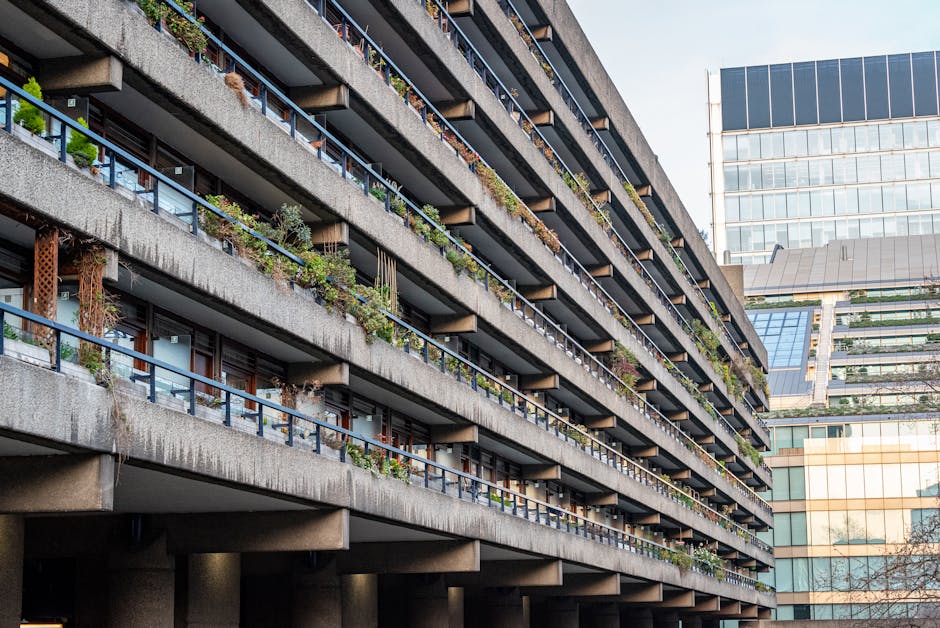
Gardeners for Gascoigne Estate small yards and courtyards
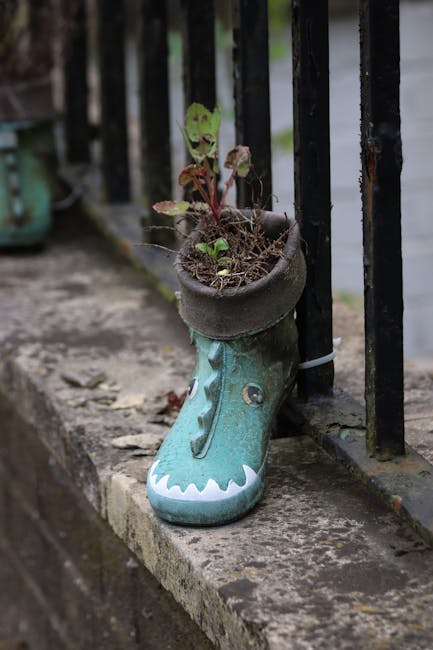
Small outdoor spaces can be brilliant, but they can also be awkward. A narrow yard that never quite dries out, a courtyard that feels shaded all day, or a tiny patch of paving where pots seem to crowd each other by Tuesday afternoon - it all adds up. That is exactly why Gardeners for Gascoigne Estate small yards and courtyards is such a useful service to understand properly. With the right approach, even a modest space can look tidy, calmer, and far more usable without making it feel cramped or overworked.
In Gascoigne Estate, where outdoor areas are often compact and closely bordered by walls, fences, or neighbouring properties, the details matter more than the square footage. The wrong plant choice, a bulky layout, or sloppy maintenance can make a small yard feel even smaller. The right plan, though? It can turn an overlooked corner into a place you actually want to step into with your morning tea, even on a damp London day.
This guide breaks down what works, what tends to go wrong, and how a thoughtful gardener can make a courtyard or small yard feel balanced, practical, and easy to live with. You will also find a checklist, a comparison table, and some plain-English advice on standards, safety, and maintenance expectations. Nothing fluffy. Just the stuff that helps.
Table of Contents
- Why it matters
- How it works
- Key benefits and practical advantages
- Who this is for and when it makes sense
- Step-by-step guidance
- Expert tips for better results
- Common mistakes to avoid
- Tools, resources and recommendations
- Law, compliance, standards, or best practice
- Options, methods, or comparison table
- Case study or real-world example
- Practical checklist
- Conclusion
- Frequently asked questions
Why Gardeners for Gascoigne Estate small yards and courtyards Matters
Small yards and courtyards are not just "mini gardens". They are different spaces with different pressures. In a compact area, every decision is visible. If a path is too wide, the garden loses valuable room. If a plant is too vigorous, it can dominate the whole design. If the drainage is poor, one wet spell can leave the place looking muddy and neglected for days. Let's face it, that is more frustrating than it sounds.
Good gardeners understand the difference between making a space look full and making it feel crowded. That distinction matters in Gascoigne Estate, where many outdoor areas need to serve several jobs at once: a place for bins, a dry sitting spot, somewhere for container planting, a route to the back gate, or simply a space that looks tidy from the kitchen window.
There is also a wellbeing angle. A neat courtyard can make a flat or terrace feel brighter and more settled. Even if the space is small, having a clean, well-kept outdoor area changes how the home feels. It can reduce visual clutter, soften hard edges, and make the place feel more cared for. That emotional lift is real.
If you are comparing broader services too, it can help to see how small-space work fits into wider garden services and routine upkeep such as garden maintenance. A tiny courtyard still needs a proper plan, not just a quick tidy-up with a broom and hope.
How Gardeners for Gascoigne Estate small yards and courtyards Works
The process usually starts with a clear look at the space itself. That sounds obvious, but it is where a lot of poor results begin. A small garden needs to be measured in practical terms: how much sun it gets, where water collects, how people move through it, which walls stay damp, and where the eye naturally falls first.
From there, a gardener normally shapes the space around a few simple goals:
- make it easier to move through
- reduce clutter and awkward dead corners
- choose planting that suits the light and scale
- keep maintenance manageable
- add structure without overpowering the area
In practice, this can mean pruning back overgrown shrubs, refreshing tired pots, replacing patchy ground cover, cleaning paving, or introducing slim planting layers rather than big border beds. If there is a hedge leaning into the yard or creating shade where it is not wanted, hedge trimming may be part of the job. If the space has become too messy to rescue quickly, garden clearance may be the sensible starting point.
A good small-space gardener also thinks in layers. Floor, wall, vertical, and container. That is the trick. You do not have endless ground area, so you use height, texture, and shape to add interest without eating into circulation space. A courtyard often looks better when the planting is edited, not expanded. Strange but true.
Key Benefits and Practical Advantages
The right approach to small yards and courtyards brings benefits that are both visual and practical. You are not just tidying. You are making the space easier to live with.
- Better use of space: Smart layout gives you room to walk, sit, and store essentials without feeling boxed in.
- Less ongoing maintenance: Choosing restrained planting and sensible surfaces means less trimming, less weeding, and fewer weekend chores.
- Improved drainage and cleanliness: Tidy edges, cleared debris, and proper surface care reduce that soggy, slippery feeling after rain.
- More light and openness: Careful pruning and lighter visual materials can make even a shady courtyard feel less enclosed.
- Better first impressions: Small spaces are often viewed from doors and windows, so a neat finish has an outsized impact.
There is also a practical value that people sometimes miss: small gardens are easier to neglect. Because they are compact, they can quietly slide from "fine" to "bit scruffy" in a short time. A measured maintenance routine keeps them from tipping over into avoidable mess. That is why regular attention is often better than the once-a-year heroic tidy-up. Heroic tidy-ups are exhausting anyway.
If you want a fuller care routine rather than a one-off refresh, pairing design work with lawn mowing, where relevant, or ongoing garden maintenance usually gives the best long-term result.
Who This Is For and When It Makes Sense
This kind of service suits plenty of people, not just homeowners with a "before and after" project in mind. In Gascoigne Estate, it often makes sense for residents who have outdoor space that is useful in theory but awkward in reality.
You might need help if:
- your courtyard feels cramped, dark, or underused
- plants keep outgrowing the space
- you want a low-maintenance setup rather than a high-effort garden
- the space needs to look smart for everyday living, not just special occasions
- you have paving, pots, or borders that are no longer working well together
- you want to improve privacy without making the garden feel closed in
It is also a sensible choice if you are preparing to rent, sell, or simply reclaim a space that has drifted into neglect. To be fair, some yards do not need a dramatic redesign. They just need disciplined editing and a better rhythm of upkeep. A few precise cuts, some clean edges, and the whole area can suddenly breathe again.
When the main issue is hard landscaping rather than planting, it may be worth looking at landscaping or even decking services if a surface refresh would make the space more practical. A courtyard does not need to be a "garden" in the classic sense to work beautifully.
Step-by-Step Guidance
If you are trying to improve a small yard or courtyard, the best results usually come from working in a clear order. Rushing straight to plants before you understand the space is a bit like buying curtains before measuring the windows. Possible? Yes. Wise? Not really.
- Assess the space honestly. Note sun, shade, wind, damp patches, and how people move through it.
- Clear what no longer helps. Remove dead material, broken pots, and surplus clutter so you can see the structure properly.
- Decide the main function. Is it a sitting area, a decorative courtyard, a pet-friendly zone, or a mix of all three?
- Keep the layout simple. In a small space, fewer strong elements usually work better than lots of tiny ones.
- Choose plants for scale and conditions. Pick varieties that suit the light and do not outgrow their place too quickly.
- Set the maintenance level now. Be realistic. If you will not prune every month, do not choose a plant that expects it.
- Finish with edges and surfaces. Neat borders, swept paving, and clean container groupings pull the whole look together.
A useful rule of thumb: if every corner is "doing something", the space can start to feel busy. Sometimes one good bench, three well-chosen containers, and a clean path are enough. The rest can be left quietly simple. Nice and calm. That is often the point.
Expert Tips for Better Results
Here is the bit that tends to separate an okay courtyard from one that genuinely feels considered.
- Use vertical interest carefully: Climbers, wall planters, and trellis work can add depth without using much floor space, but keep the structure light.
- Repeat materials: Repeating one or two surface finishes, pot styles, or plant tones helps a small area feel coherent.
- Choose foliage first, flowers second: In compact spaces, long-lasting leaf shape often matters more than short bursts of colour.
- Leave breathing room: A little empty space is not wasted space. It lets the eye rest and makes the garden easier to move through.
- Think about views from inside: In many courtyards, the strongest view is from a window or back door. Design for that angle too.
A small human truth: people often overfill tiny gardens because they want them to feel lush. But lush and crowded are not the same thing. You can have softness without squeezing every inch. A quiet courtyard can feel more expensive and more peaceful, even if it is only a few steps across.
If the space is awkwardly shaded or enclosed, a thoughtful mix of pruning and selective planting is usually better than forcing sun-lovers into a gloomy corner. That sounds obvious, but it gets overlooked all the time.
Common Mistakes to Avoid
Small yards punish bad choices faster than larger gardens do. The mistake shows up immediately. Here are the ones that come up most often.
- Using oversized plants: A shrub that looks fine in a nursery pot can dominate a courtyard within a season or two.
- Overcomplicating the design: Too many pots, colours, and textures can make the space feel restless.
- Ignoring drainage: Standing water, moss, and slippery patches are more than cosmetic issues.
- Blocking access: Keep routes to doors, bins, and storage clear. A courtyard should work, not just look nice in photos.
- Letting maintenance drift: A small space can go from tidy to tangled faster than people expect.
- Forgetting privacy and light balance: Tall screening can help, but too much can make a small yard feel boxed in.
One more thing that catches people out: hard surfaces need care too. A patio or paved courtyard can look dull and patchy if moss and debris are left alone. If that is becoming part of the problem, regular upkeep matters just as much as planting choices. Sometimes the surface is the whole story, really.
Tools, Resources and Recommendations
You do not need a van full of specialist kit to maintain a small yard well, but the right tools make a big difference. For routine care, useful basics often include:
- sharp hand secateurs for light pruning
- a small pruning saw for thicker woody stems
- a stiff broom or patio brush for courtyards and paving
- a lightweight spade or trowel for pots and edging
- good gloves that actually fit
- watering cans or compact watering systems for container planting
On the service side, it helps to choose a gardener who can handle maintenance and structural improvements together, especially if the space needs more than a tidy. A coordinated approach often means fewer delays and less awkward back-and-forth. If you are looking at bigger changes, landscape gardening can help with layout decisions, while tree lopping and removal may be relevant if a mature tree is stealing all the light.
If you are comparing service levels, it can also be useful to review pricing and quotes early on, so you understand what is included and whether the work is one-off, seasonal, or ongoing. Clear expectations save hassle later. Every time.
Law, Compliance, Standards, or Best Practice
For small garden work, compliance is usually less about heavy bureaucracy and more about safe, sensible practice. Still, there are a few things worth keeping in mind.
Any gardener working on private property should use safe methods, especially where ladders, cutting tools, or waste removal are involved. Good providers should also be able to explain how they handle insurance, risk awareness, and site safety. If that sounds dull, it is not. It is the difference between a tidy finish and an avoidable problem.
Best practice in small yards and courtyards usually includes:
- checking access carefully before work starts
- protecting paths, doors, and nearby surfaces
- disposing of green waste responsibly
- using appropriate tools for confined spaces
- avoiding damage to shared or adjoining boundaries
It is also sensible to review a provider's health and safety policy and insurance and safety information if you are hiring for a more involved job. If materials are removed from site, a business should handle waste carefully and sustainably; that is where a clear recycling and sustainability approach becomes genuinely relevant rather than just a nice phrase.
For customers, the main point is simple: ask how the work will be done, how waste will be managed, and what happens if the space has hidden issues such as poor drainage or damaged paving. A thoughtful answer usually tells you a lot.
Options, Methods, or Comparison Table
Not every small yard needs the same treatment. Sometimes the best option is a tidy maintenance visit. Sometimes it is a design reset. Sometimes it is a combination of pruning, clearance, and surface work. Here is a simple comparison to help you think it through.
| Approach | Best for | Strengths | Limitations |
|---|---|---|---|
| Routine maintenance | Spaces that are already workable but need regular care | Keeps things tidy, predictable, and low stress | Will not solve deeper layout or drainage issues |
| Garden clearance | Overgrown or neglected courtyards | Creates an immediate reset and reveals the real space | May need follow-up work to prevent repeat neglect |
| Landscape gardening | Courtyards needing a new structure or better flow | Improves usability and long-term design quality | Usually takes more planning and budget |
| Targeted pruning and hedge trimming | Spaces that feel blocked by growth | Quickly improves light, shape, and boundaries | Needs periodic repeat work |
| Surface-led refresh | Yards with tired paving or awkward hard edges | Can transform the feel of the space fast | Won't help much if the planting plan is poor |
There is no single "best" route. The right answer depends on what the space is trying to do. That is the honest version. Not as glamorous as a miracle makeover, but much more useful.
Case Study or Real-World Example
Picture a modest Gascoigne Estate courtyard that had become a bit forgotten. The paving was sound, but the area felt cluttered: two overgrown containers, a patchy corner with weeds, one hedge pressing into the light, and a storage area that ate half the usable floor. Nothing dramatic, just enough to make the space feel smaller than it really was.
The fix did not start with new plants. It started with clearing out the weak stuff. The spent containers were removed, the hedge was trimmed back to open the view, the paving was cleaned, and the remaining planting was grouped into fewer, stronger shapes. A narrow bench was kept rather than replaced, because it fitted the space. One climber was trained vertically so it added softness without stealing room.
What changed? The courtyard stopped feeling like a holding area and started feeling like part of the home. There was more light, less visual noise, and fewer corners competing for attention. The work was not flashy. That was the point. Small outdoor spaces usually improve most when the bad habits are removed first.
And yes, there was a moment where the owner stood in the doorway and said it looked "bigger somehow". It usually does, once the clutter stops shouting.
Practical Checklist
Use this checklist before starting work on a small yard or courtyard. It is simple, but it helps.
- Measure the space properly and note any tight access points.
- Identify sun, shade, and damp zones across the day.
- Remove clutter and dead material before deciding on new planting.
- Keep circulation routes clear for doors, gates, bins, and seating.
- Choose plants that suit the scale and will not overwhelm the space.
- Decide how much maintenance you can realistically handle.
- Check paving, edges, and drainage for issues that could affect safety or appearance.
- Use vertical space carefully if the courtyard needs more depth or privacy.
- Plan for waste removal so the tidy-up does not become a pile-up.
- Set a routine for follow-up care before the job is finished.
If the answer to several of these points is "not sure", that is a good sign you may benefit from a professional assessment rather than trying to patch it together on the fly.
Get a free quote today and see how much you can save.
Conclusion
Small yards and courtyards can be some of the most satisfying outdoor spaces to improve. They are close to the home, easy to experience, and full of possibilities once the layout, planting, and upkeep are handled with care. The key is not to treat them like miniature versions of larger gardens. They need sharper decisions, lighter touches, and a bit of discipline.
If you are in Gascoigne Estate and your outdoor area feels cramped, untidy, or simply not very useful, the right gardener can make a surprising difference. Often it is not about doing more. It is about doing less, better. Clear the clutter. Edit the planting. Protect the light. Keep the maintenance realistic. That simple formula works more often than people expect.
And honestly, there is something lovely about opening the door and seeing a space that feels calm instead of demanding. Small can be good. Really good.
Frequently Asked Questions
What do gardeners for small yards and courtyards usually do first?
They usually start by assessing the space properly, then clearing clutter, checking light and drainage, and deciding what the area needs most: maintenance, reshaping, or a full reset.
How do you make a very small courtyard look bigger?
Keep the layout simple, avoid overcrowding, use a restrained colour palette, and leave some open space. Vertical planting and clean lines can help, but overdoing either will have the opposite effect.
Are courtyards harder to maintain than larger gardens?
In some ways, yes. Small spaces show neglect quickly, so weeds, moss, and clutter become noticeable faster. On the other hand, they can be quicker to maintain once a proper routine is in place.
What plants work best in Gascoigne Estate small yards and courtyards?
Plants should suit the available light, the level of shelter, and the container or border size. Compact, slower-growing plants are often safer choices than vigorous varieties that need constant pruning.
Should I choose garden maintenance or landscaping for my courtyard?
If the space is already functional but messy, maintenance may be enough. If the layout is awkward, the drainage is poor, or the area feels badly organised, landscaping may be the better option.
Can a small yard still have privacy?
Yes, but privacy needs a light touch. Screening, climbers, and carefully placed planters can help. Too much screening can make the area feel boxed in, so balance matters.
Is garden clearance useful before redesigning a courtyard?
Very often, yes. Clearance gives you a clear view of the actual space, which makes it much easier to see what is worth keeping and what should go.
How often should a small yard be maintained?
That depends on planting, shade, and usage, but regular light maintenance is usually better than leaving everything until it becomes overgrown. Small spaces benefit from consistency.
What safety issues matter in courtyards?
Slippery paving, tight access, unstable pots, awkward pruning work, and hidden drainage problems are common concerns. Safe tool use and clear walkways matter more than people often realise.
Can decking help in a small courtyard?
It can, especially if the existing surface is tired or the space needs a warmer, more usable feel. The key is to keep the design simple so the courtyard does not lose valuable room.
How do I know if my small garden needs a professional?
If the space feels too cramped to plan confidently, the planting is out of control, or the layout no longer works, getting professional help usually saves time and frustration. Sometimes a fresh pair of eyes is exactly what is needed.
What should I ask before hiring a gardener for a small outdoor space?
Ask how they would approach the layout, what maintenance level they recommend, how they handle waste, and whether they can adapt to tight access or courtyard-specific issues. Clear answers matter more than fancy language.
Is a low-maintenance courtyard possible without making it plain?
Absolutely. The trick is choosing a few strong features, using durable materials, and selecting plants that look good without constant attention. Low-maintenance does not have to mean dull. Not even close.
Where can I learn more about the company and its approach?
You can review the team's background on the about us page, check service details through services overview, and get practical next steps via the contact us page when you are ready.