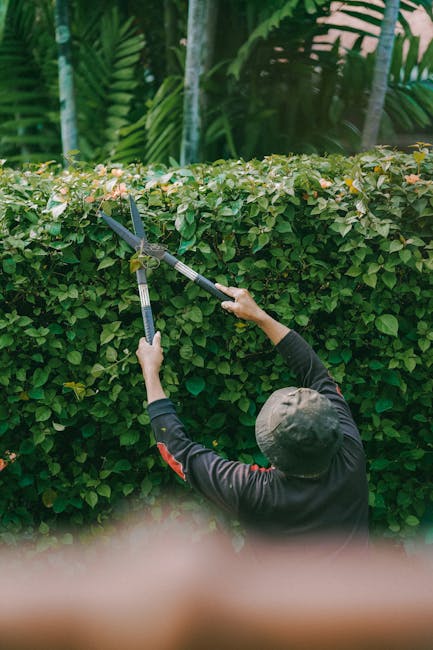
Affordable garden maintenance IG11 for Ripple Road homes

If your Ripple Road garden has started to feel a bit unruly, you are not alone. Busy work weeks, patchy weather, overgrown borders, and the usual London pace can turn a tidy outdoor space into a small jungle before you know it. Affordable garden maintenance IG11 for Ripple Road homes is about keeping things neat, healthy, and manageable without paying for more than you need. It is not just about mowing grass. It is about sensible upkeep, regular attention, and choosing the right level of help so your garden stays usable through the year.
For many homes near Ripple Road, the real challenge is balance: keeping costs sensible while still preventing a garden from sliding into a bigger, more expensive job later. This guide walks through what affordable maintenance actually includes, how it works, what to look out for, and how to make a practical choice that suits your home and your budget. A well-kept garden does not need to be fussy. It just needs steady care, done properly.
- Why it matters
- How it works
- Key benefits and practical advantages
- Who this is for and when it makes sense
- Step-by-step guidance
- Expert tips for better results
- Common mistakes to avoid
- Tools, resources and recommendations
- Law, compliance, standards, or best practice
- Options, methods, or comparison
- Case study or real-world example
- Practical checklist
- Conclusion
- Frequently asked questions
Why Affordable garden maintenance IG11 for Ripple Road homes Matters
A lot of garden problems start quietly. A hedge gets a little too broad, the lawn stops looking even, weeds creep into the borders, and suddenly the whole place feels harder to enjoy. In a street like Ripple Road, where front and back gardens often play a real role in how a home looks and feels, small lapses can have a big visual effect. That is why affordable garden maintenance matters: it prevents little jobs from becoming big ones.
There is also a financial side to it. Regular maintenance is usually easier on the wallet than occasional heavy restoration. Truth be told, most gardens do not need dramatic intervention. They need consistency. A few hours here and there can save you from a full garden clearance later, especially if brambles, self-seeded growth, or tired lawn patches are left to spread.
Another reason it matters is usability. A garden that is safe, open, and pleasant tends to get used more. Children can play, washing can dry outside, and you can sit out with a cup of tea without staring at a patch of mess that has been annoying you for weeks. Sounds simple, but it changes how a home feels.
For Ripple Road homes specifically, affordability also means working around real-life constraints: terraced layouts, limited storage for tools, narrow side access, and neighbours close by. That calls for a practical, respectful approach rather than a one-size-fits-all service.
How Affordable garden maintenance IG11 for Ripple Road homes Works
Garden maintenance is usually built around recurring tasks. The exact mix depends on the season, the size of the garden, and how much growth is happening between visits. Affordable service usually means prioritising the tasks that matter most now, rather than bundling in extras you do not really need.
In practical terms, a good maintenance visit often includes lawn mowing, edging, hedge trimming where needed, weed control, light pruning, leaf clearance, and a general tidy-up of paths, beds, and borders. Some gardens need regular attention to keep things healthy; others just need seasonal visits to stop things from getting out of hand. There is no magic formula, annoyingly, but there is a sensible pattern.
The process tends to work best when it starts with a quick assessment. A gardener looks at what is growing, what is damaged, what is seasonal, and what can wait. That assessment helps decide whether the job is maintenance, clearance, or something in between. If a garden has become heavily overgrown, maintenance alone may not be enough at first. In those cases, a broader service such as garden clearance may be the better starting point.
For ongoing care, some homeowners prefer a regular schedule. Others book ad hoc visits after the worst of the weather or before guests arrive. Both can work. The important thing is that the plan fits the garden, not the other way round.
Key Benefits and Practical Advantages
Affordable garden maintenance is not just about saving money. It is about spending wisely. That difference matters. A cheaper-looking service can end up costing more if it leaves behind issues that need redoing. Proper maintenance should keep the garden healthy and reduce the chance of larger repairs later on.
Here are the main advantages:
- Lower long-term cost: regular attention helps prevent major overgrowth, lawn decline, and border damage.
- Better kerb appeal: a tidy front garden can make a Ripple Road home look cared for without a full redesign.
- More usable space: neat paths, trimmed edges, and clean borders make gardens easier to enjoy.
- Healthier growth: the right pruning and cutting routine supports stronger plants and grass.
- Less stress: you do not have that nagging feeling every time you look outside. We all know that feeling.
There is also a practical benefit that people sometimes overlook: maintenance makes it easier to spot problems early. Moss, drainage issues, broken fencing lines, dead branches, and tired turf are all easier to deal with when the garden is kept visible and manageable.
If your outdoor space includes features like a deck or planted structure, it can also be worth keeping an eye on the wider layout. A tidy garden sits better with any fixed improvements, including options such as decking services or broader landscaping work when the time is right.
| Garden issue | Maintenance approach | Likely result |
|---|---|---|
| Long grass and messy edges | Regular mowing and edging | Cleaner look, healthier lawn |
| Overgrown shrubs or hedges | Seasonal trimming | Better shape, less crowding |
| Weedy borders | Weed removal and bed tidy-up | Clearer planting structure |
| Leaf build-up and debris | Routine clearance | Safer, tidier outdoor areas |
| Garden becoming difficult to manage | Reset visit plus ongoing maintenance | Less work later, lower stress |
Who This Is For and When It Makes Sense
Not every home needs the same kind of help. Affordable garden maintenance is especially useful if you want predictable upkeep rather than occasional panic repairs after a long spell of neglect. If that sounds familiar, you're in the right place.
This kind of service often makes sense for:
- busy homeowners who want the garden kept in shape without spending weekends doing it all themselves
- landlords who need outdoor spaces to stay presentable between tenancies
- families who use the garden often and want it safe and tidy
- older residents who want help with the heavier or repetitive jobs
- people preparing a property for sale or viewings
- anyone whose garden is healthy overall but needs regular maintenance rather than major redesign
It also makes sense when the garden changes with the seasons. In spring and early summer, growth can get away quickly. Later in the year, leaves and soft growth can create a different kind of mess. A simple maintenance plan can smooth out those swings so the outdoor space does not feel like a constant project.
On the other hand, if your space has gone far beyond routine care, you may need a one-off reset before maintenance becomes worthwhile. That is normal. No judgement. Gardens have moods, and sometimes they get a bit dramatic.
Step-by-Step Guidance
If you want affordable garden maintenance to actually stay affordable, the process needs to be organised. The trick is not to do everything at once. It is to do the right things in the right order.
- Walk the garden properly. Look at the lawn, borders, hedges, hard edges, bins area, and any awkward corners. Note what feels urgent.
- Separate maintenance from restoration. Some areas need light upkeep. Others may need a deeper cutback or clearance first.
- Decide your priorities. For most Ripple Road homes, the top jobs are grass, weeds, hedge shape, and general tidiness.
- Choose a realistic frequency. A monthly, fortnightly, or seasonal pattern may work depending on growth and use.
- Keep access clear. Garden gates, paths, and side access matter. Easy access saves time, and time is cost.
- Review the result after each visit. A good routine should make the garden easier to maintain, not create extra work.
A practical example: a front garden that only needs mowing and light weeding may be fine on a basic plan, while a larger back garden with hedging and mixed borders might need a more layered visit. The point is to match the service to the space, rather than paying for a package full of things you barely need.
If you are building a wider garden plan, it can help to look at the company's full range through its services overview so you can see how maintenance fits alongside other outdoor work.
Expert Tips for Better Results
After enough garden jobs, a few patterns become obvious. The best-maintained gardens are usually not the ones with the biggest budgets. They are the ones with the clearest priorities and the least delay between problems appearing and being dealt with.
Here are a few practical tips that really help:
- Keep maintenance light but regular. A little often beats a lot rarely.
- Don't trim everything the same way. Hedges, shrubs, perennials, and lawns all need different treatment.
- Leave soil and compost areas organised. Messy corners attract more mess. Funny how that works.
- Use the right cut height for grass. Cutting too low can stress the lawn, especially in dry spells.
- Watch the weather. Wet grass, frozen stems, or very dry soil can all affect the quality of work.
- Think in seasons. A tidy summer garden and a tidy winter garden are not maintained in exactly the same way.
One small but useful habit: after each visit, take a minute to look at what has started to creep back. That five-minute check can save a lot of trouble later. It is a bit boring, yes, but it works.
If you prefer a professional standard, it is worth checking that the team uses proper insurance and sensible site practices. That is where pages like insurance and safety and health and safety policy become useful for peace of mind.
Common Mistakes to Avoid
People often think affordable means "do less." In reality, it should mean "do what matters." Those are not the same thing. Cutting the wrong corners usually creates more work, and more cost, later on.
Watch out for these common mistakes:
- Waiting until the garden is badly overgrown before asking for help
- Booking mowing only when the borders and hedges also need regular attention
- Ignoring access issues like locked gates, cluttered passages, or blocked sheds
- Assuming all plants should be cut back at the same time
- Choosing on price alone without checking what is included
- Skipping seasonal care and then being surprised when the garden surges back
Another one, and this is common: people ask for a quick tidy without saying what matters most to them. If the front garden needs to look good for guests, say that. If the back garden is the family space, say that too. The clearer the brief, the better the result. Simple, but easy to forget when life is busy.
Tools, Resources and Recommendations
You do not need a shed full of specialist equipment to keep a garden in decent shape. But the right tools make a noticeable difference, especially where affordability matters. Good tools reduce time, and reduced time usually means better value.
For routine garden care, common tools and materials include:
- lawn mower for regular grass cutting
- strimmer or edging tool for neat borders and awkward corners
- hand shears or hedge trimmers for shaping growth
- gloves and bags for safe clearance of waste
- spade, fork, and hand tools for border maintenance
- rake and broom for leaves, clippings, and debris
For homeowners who want to avoid waste or repeated trips to the tip, it can help to choose a provider that thinks about disposal properly. A responsible approach to green waste often ties in with recycling and sustainability, which is better for both the garden and the planet. Not glamorous, perhaps, but very sensible.
Useful things to keep in mind when comparing services:
- what is included in the standard visit
- whether waste removal is part of the price or separate
- how the gardener handles hedges, shrubs, and lawns differently
- whether the team can also help if the space needs a reset first
- how clearly they explain pricing and scope
If you are still in the research stage, a straightforward pricing page such as pricing and quotes can help you understand how costs are usually structured before you commit.
Law, Compliance, Standards, or Best Practice
For most household garden maintenance in IG11, the main concern is not heavy regulation. It is best practice: safe work, responsible waste handling, and care around people, pets, and property. That said, good providers should still work in line with sensible UK expectations for safety and professionalism.
In practical terms, that means using equipment properly, managing garden waste responsibly, and being mindful of hazards such as slippery paving, hidden debris, broken glass, unstable branches, and uneven ground. If trees or larger woody growth are involved, extra caution is needed. In those cases, a specialist approach may be more appropriate than routine trimming. A service like tree lopping and removal should only be used when the work genuinely calls for it, and only by people who can handle the risk properly.
Good practice also includes clear communication about what will happen on the day, what access is needed, and how waste will be dealt with. If a company is transparent about its terms, its complaints procedure, and how it handles customer data and payments, that is usually a good sign. You can check pages such as terms and conditions and payment and security for that kind of reassurance.
One more thing: if you are comparing providers, insurance matters. It is not the exciting part, I know. But it is the part that protects you when something unexpected happens. Better boring and covered than cheerful and risky.
Options, Methods, or Comparison Table
There are a few different ways to keep a Ripple Road garden in good shape. The right method depends on budget, garden size, and how much hands-on work you want to avoid.
| Approach | Best for | Pros | Watch out for |
|---|---|---|---|
| DIY maintenance | Small, simple gardens | Lowest cash cost, full control | Can take time, tools needed, easy to fall behind |
| Ad hoc visits | Occasional tidy-ups | Flexible, useful for seasonal jobs | Results can be uneven if gaps get too long |
| Regular maintenance plan | Busy households, rental homes, active gardens | Predictable upkeep, better long-term value | Needs a clear scope so you do not overpay |
| Clearance plus maintenance | Overgrown or neglected gardens | Resets the space before routine care begins | Usually costs more at the start, then settles down |
For most homes on or near Ripple Road, the sweet spot is usually regular maintenance with an occasional deeper intervention when needed. That keeps the garden under control without making every visit a big production. And nobody wants a big production every month, let's be honest.
Case Study or Real-World Example
Picture a typical IG11 terraced home with a modest front garden and a back garden that gets decent sun in summer but collects leaves in autumn. The owners like the idea of gardening, but real life gets in the way. One month turns into three, and by then the lawn is uneven, the hedge has started leaning into the path, and weeds have quietly settled into the borders.
A practical maintenance approach would start with a reset: tidy the edges, lift the lawn back into shape, clear the beds, and reduce the hedge to a manageable size. Once that is done, the home would move onto a lighter ongoing plan. Perhaps mowing every couple of weeks in the growing season, with hedge and border attention less frequently. No drama. Just regular care.
The useful part of this approach is that the garden becomes easier to live with almost immediately. The front looks sharper from the street, the back feels usable again, and the owners stop dreading the sight of the lawn every Saturday morning. That emotional shift matters more than people think.
If the space includes old shrubs or tired features that no longer fit the garden, a longer-term upgrade can be explored later through landscape gardening or lawn mowing support as part of a bigger care plan.
Practical Checklist
Use this checklist before booking or scheduling work. It helps keep the job focused and the budget under control.
- Decide whether the garden needs maintenance, clearance, or both
- List the most urgent tasks: lawn, hedge, weeds, leaves, borders
- Check whether access is easy from the front or rear of the property
- Confirm whether waste removal is included
- Ask how often the garden should be revisited during the growing season
- Make sure the scope matches your budget, not just your wish list
- Ask about insurance and safety procedures
- Consider whether sustainability and green waste handling matter to you
- Keep a note of seasonal changes so future visits are simpler to plan
- Review the result and adjust the plan if needed
Expert summary: affordable garden maintenance works best when it is specific, routine, and realistic. Start with the jobs that prevent bigger problems, then build from there. That is how you keep costs sensible without letting the garden slide.
Conclusion
Affordable garden maintenance IG11 for Ripple Road homes is really about making good decisions early. Keep the work regular, focus on the highest-impact tasks, and choose a plan that fits the actual state of the garden, not the ideal version in your head. A little structure goes a long way. So does honesty about what the space needs right now.
For many homeowners, the biggest win is not perfection. It is peace of mind. You know the lawn will be cut, the hedge will behave itself, the borders will stay under control, and the garden will feel like part of the home again rather than a weekend punishment. That's the goal, really.
Get a free quote today and see how much you can save.
If you want to learn more about the team behind the work, you can also read their about us page before getting in touch.
And when the garden finally looks calm again, there is something quietly satisfying about stepping outside and thinking, yes, that is better.
Frequently Asked Questions
What does affordable garden maintenance usually include in IG11?
It usually covers the core jobs that keep a garden tidy and healthy, such as mowing, edging, hedge trimming, weed removal, light pruning, leaf clearance, and general tidying. The exact mix depends on the garden and the time of year.
How often should a Ripple Road garden be maintained?
That depends on growth and how much you use the space. In busy growing periods, many gardens benefit from more frequent attention. Others only need seasonal visits. A good plan is based on how quickly the garden changes, not on a fixed rule.
Is garden maintenance cheaper than garden clearance?
Usually, yes. Maintenance is about keeping a garden in shape, while clearance deals with heavier neglect or excess growth. If a garden has been left for a long time, it may need clearance first before affordable maintenance becomes the best option.
Can I just book lawn mowing and skip the rest?
You can, but it may not be enough if hedges, borders, or weeds are also becoming a problem. Lawn mowing helps a lot, but a garden often looks best when the edges and surrounding areas are handled too.
What makes a garden maintenance service good value?
Good value comes from doing the right work at the right time. Clear pricing, sensible scheduling, proper equipment, responsible waste handling, and a realistic scope all matter. The cheapest quote is not always the best value if it leaves you with more work later.
Do I need regular maintenance if my garden is small?
Often, yes. Small gardens can still become messy very quickly, especially if they have fast-growing hedges, weeds, or a lawn that needs regular cutting. In some cases, a small space needs more consistent care than a larger one.
What should I do before a gardener arrives?
Clear access, move fragile items if needed, and make a short list of priorities. If there is something you particularly want done first, say so. A clear brief saves time and helps keep the job on budget.
Is it worth combining maintenance with landscaping work?
Sometimes it is. If the garden layout no longer works, or if old features are making upkeep harder, a wider improvement plan can help. In those cases, combining maintenance with landscaping or broader outdoor changes may be sensible.
How do I know if I need hedge trimming as part of the visit?
If hedges are blocking light, spilling into paths, or losing their shape, they probably need attention. Hedge work is often one of the easiest ways to restore a garden's tidy look, especially on homes where the front boundary is very visible.
What if my garden has become too overgrown for routine upkeep?
That is common. In that case, a one-off reset or clearance can bring the space back to a manageable level before ongoing maintenance begins. It is better to start with the right job than to force routine care onto a garden that needs a bigger first step.
Are sustainability and waste disposal important in garden maintenance?
Yes, they can be. Green waste, clippings, and cuttings should be handled responsibly where possible. If you care about that side of things, ask how the provider manages disposal and whether they work with a sustainability-minded approach.
How do I get started if I live on Ripple Road?
Start by deciding what the garden really needs now: maintenance, clearance, or both. Then review the service information, check the pricing approach, and make contact when you are ready. A clear first conversation usually makes everything easier after that.